
Social Media for Demand Generation, Not Just Branding
If you still use "Link Clicks" and "CTR" (Click-Through Rate) as your main social media …


 ★★★★★ 5.0 · 100+ reviews








Table of Contents
MEET OUR TEAM!
The digital world, which is effective in every aspect of our lives, has radically changed marketing strategies. Now, reaching large audiences through influencers has become an important step for brands to realize their goals.
With millions of followers on social media platforms, these influencers specialize in creating trust and engagement.
Got a Hefty Ads Budget but No Conversions?
Get a Free Social Media Audit!
Why are your ad campaigns getting clicks but not converting into purchases? Are you reaching the target audience effectively? Let's evaluate your social media strategy. Fill out the form now for a free analysis!
So, what is influencer marketing, and what are the effective strategies? If you’re curious, read on, because in this blog post, we’ll cover it in detail.
Influencer marketing is a marketing strategy that relies on people, or influencers, who have large followings on brands’ social media platforms. These influencers are people who have great influence over their followers in a specific niche or industry.
For example, influencers who specialize in fashion, beauty, sports, travel, etc. can recommend the products or services of brands to their followers and thus increase their sales.
Influencer marketing is highly effective because people generally value the recommendations of people they trust more. Since influencers have a huge impact on their followers, they enable brands to reach their target audience directly.
Also, influencers often share their content in a candid way, which makes followers think more positively about brands. This strategy helps brands create more awareness and influence potential customers.

Influencers are usually grouped by audience size, and the tier matters more than most brands expect. Follower count changes the cost, the engagement rate, the type of relationship the influencer has with their audience, and the kind of campaign that makes sense. Choosing the wrong tier is one of the most common reasons an influencer budget underperforms.
Nano-influencers have the smallest audiences and the closest relationships with them. Their followers are often people they know personally or interact with directly, which produces engagement rates that larger accounts rarely match. They are inexpensive, frequently work in exchange for product, and are well suited to local businesses, community-driven brands, and campaigns that need many authentic voices rather than one loud one.
The trade-off is scale. Reaching a meaningful audience through nano-influencers means managing many relationships at once, which turns the campaign into an operational exercise as much as a creative one.
Micro-influencers occupy the sweet spot for most mid-market brands. They typically serve a defined niche or topic, which matters enormously when the product itself is niche: a specialist audience of 30,000 is worth more to a technical product than a general audience of 500,000.
Three characteristics make this tier effective. Their relationships with followers remain close enough that recommendations carry genuine weight. They are cost-accessible for small and mid-sized brands. And despite the smaller audience, they often achieve higher engagement rates than larger accounts, because engagement tends to decline as audience size grows.
Macro-influencers reach a larger and more diverse audience, which suits brands that need broad visibility rather than narrow relevance. This tier is usually more professional to work with: they have run campaigns before, understand deliverables and deadlines, and often have management representing them.
Association with a well-regarded macro-influencer can lift a brand’s credibility on its own. The trade-off is that engagement rates are typically lower than the smaller tiers, and the audience is less precisely targeted, so the fit between influencer and product needs closer scrutiny.
Take Advantage of Automation with Artificial Intelligence!
How can you use your time more efficiently? Artificial intelligence saves you time by automating repetitive tasks. Learn how you can leverage AI to accelerate your business processes.
Mega-influencers have the largest reach and the fastest impact on visibility. They can put a brand in front of a vast, varied, and often international audience in a single post, and their content has genuine potential to go viral. For brands targeting global markets or launching something that needs mass awareness quickly, this tier delivers what no other can.
It is also the most expensive by a wide margin, and the relationship between influencer and audience is the most distant. Followers of a mega-influencer generally understand that posts are paid, which changes how the recommendation lands.
There is no universally superior tier. The right choice depends on the brand’s goals, budget, and the specific campaign. Awareness campaigns tend to favour larger tiers; conversion and trust-driven campaigns tend to favour smaller ones. Niche products almost always perform better with micro-influencers than with mega ones, regardless of budget.
In practice, most mature programmes use a combination. A campaign might pair one macro- influencer for reach with a group of micro-influencers for credibility and depth, so the budget buys both visibility and conversion rather than one at the expense of the other.
Influencer marketing is a highly effective marketing strategy for brands. Through well-chosen influencers, brands can reach large audiences, build trust and reputation, produce creative content, and interact more effectively with their target audiences.
Successful influencer marketing is characterized by brand collaborations with influencers, creative campaigns, and user engagement. Using these strategies, brands can stand out in a competitive market and reach their target audience more effectively.
Let’s take a more detailed look!

Influencer marketing enables brands to reach their target audiences quickly and effectively. An influencer’s follower base is a great opportunity for brands to reach potential customers. Choosing a good influencer ensures that the brand is suitable for its target audience and that the right message is delivered.
A good influencer has built credibility and a reputation with their followers. Through these influencers, brands build trust with customers and increase their reputation. By trying brands’ products or services and sincerely recommending them to their followers, influencers create a stronger impact on their followers.
Influencer marketing encourages brands to create creative content. Collaborating with an influencer allows brands to deliver engaging and entertaining content to their target audience. This helps brands develop their own content marketing strategy and stand out with innovative ideas.
Influencer partnerships extend well beyond a single sponsored post. Depending on the agreement, an influencer may endorse a product directly, create original content the brand can reuse across its own channels, manage engagement with their community around the campaign, or serve as a longer-term brand ambassador across multiple campaigns.
The distinction matters commercially. A one-off post buys attention. An ambassador relationship buys repeated association, which is what actually shifts brand perception over time, and it is usually the better value despite the higher headline cost.
Strong influencer campaigns are planned, not improvised. Five decisions determine whether the budget produces results.
Define the audience before choosing the influencer. Understanding precisely who the brand is trying to reach is what makes influencer selection possible at all. Without it, selection defaults to follower count, which is the least reliable predictor of campaign performance.
Match the influencer to the audience, not to the brand’s taste. The question is whether this influencer’s followers are the people you want, not whether the brand likes the influencer’s content. These are different questions and they often have different answers.
Agree the campaign structure collaboratively. Define objectives, content formats, posting schedule, and messaging together with the influencer rather than handing over a brief. The influencer knows what their audience responds to; a campaign that overrides that instinct usually reads as an advertisement and performs like one.
Protect content quality and fit. The influencer produces content that represents your product to their audience. Its quality and its alignment with both the brand and the influencer’s usual style determine how the message lands. Content that feels out of character for the influencer damages both parties.
Measure and refine. After the campaign, analyse reach, engagement, conversions, and return on investment, then feed those findings into the next round. Influencer marketing rewards iteration: the second campaign with the same influencer almost always outperforms the first, because both sides have learned what works.
Influencer marketing strategies based on collaborations, creative campaigns, and user engagement enable brands to reach their target audience in a more meaningful way and create a powerful impact.
Are you ready to discover the most popular collaborations?
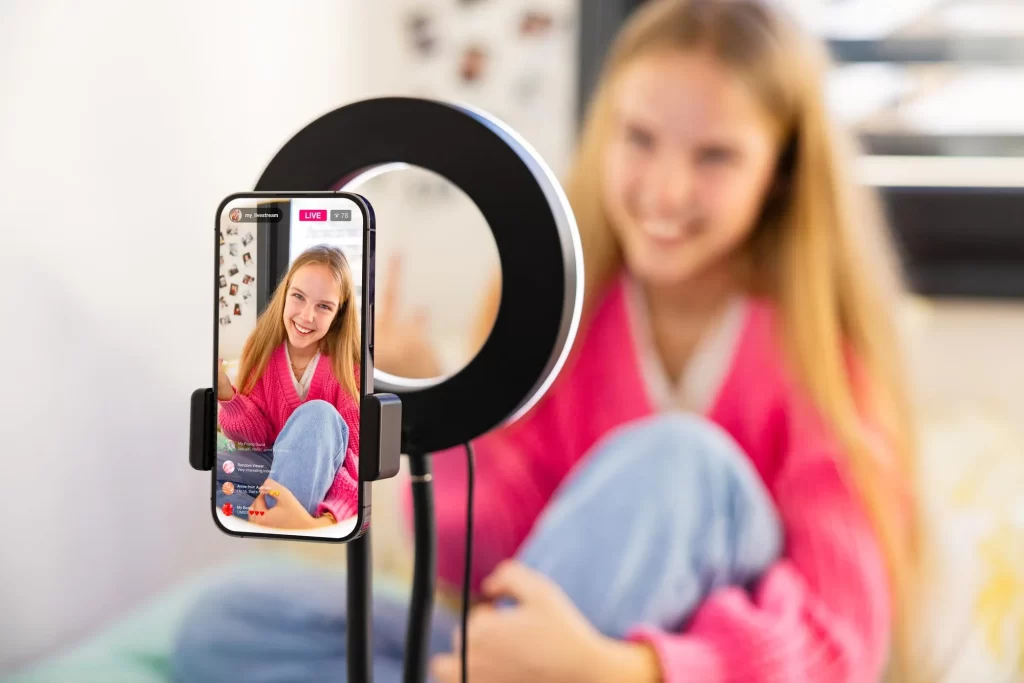
Many brands have successfully collaborated with influencers to run effective marketing campaigns. For example, a cosmetics brand can work with a beauty influencer to promote its products and offer special discounts to the influencer’s followers. Such collaborations help brands build a stronger connection with their target audience and increase sales.
Sportswear brand Nike collaborated with famous soccer player Cristiano Ronaldo for an impressive marketing campaign.
Ronaldo appeared in ads promoting Nike’s soccer shoes and apparel and endorsed the brand on social media.
This collaboration helped Nike increase its popularity among soccer fans and boost sales of its products.
Beverage giant Coca-Cola launched a campaign in collaboration with famous singer Selena Gomez.
Selena Gomez appeared in Coca-Cola commercials and shared the brand’s products on her social media accounts.
This collaboration helped Coca-Cola make a big impact on its young target audience and build brand loyalty.
Influencer marketing has great potential to create creative campaigns and trends. For example, a fashion brand can promote a special collection designed by a popular fashion influencer and showcase it to its followers. Such creative campaigns are important for brands to engage their target audience and build brand loyalty.
Rihanna’s cosmetics brand, Fenty Beauty, stood out for its creative and inclusive campaigns. The brand introduced a line of makeup products focusing on different skin tones and diversity.
Rihanna communicated the brand’s message by using the products and sharing different customer stories through her own social media accounts.
This creative campaign allowed the brand to appeal to a wide audience and made a huge impact in the cosmetics industry.
Accommodation platform Airbnb gained traction with its “Live in the Movie World” campaign. The brand made iconic homes from famous movies available for rent on Airbnb.
This campaign allowed users to experience accommodations in the locations of their favorite movies and created a wide conversation on social media.
Influencer marketing strategies based on user engagement allow brands to engage more strongly with their followers. For example, a sportswear brand can encourage its followers to use its products by launching a hashtag or challenge. Such approaches help brands increase social media engagement and reach a wider audience.
Café chain Starbucks organized a contest called #WhiteCupContest to encourage users to create their own designs.
Users decorated empty white coffee cups with their own drawings and shared them on social media. The best designs were selected and printed on Starbucks cups for sale.
This approach encouraged customer engagement, increased brand loyalty, and had a viral impact on social media.
Active living camera maker GoPro launched a program called #GoProAwards for users to share their footage and win prizes.
Users uploaded their exciting and impressive videos to the GoPro platform, and selected videos were rewarded.
This approach encouraged users to engage with the brand and enabled GoPro to build a large pool of content on social media.
Influencer marketing has become a core part of how brands build presence on social media rather than an experimental add-on. Partnering with the right influencers lets a brand connect with its audience more personally than advertising allows, and establish a presence that feels earned rather than bought.
The results depend entirely on the planning behind them. Careful audience definition, deliberate tier selection, genuine collaboration on content, and honest measurement are what separate campaigns that build brands from campaigns that simply spend budget. Done properly, influencer marketing contributes meaningfully to growth. Done casually, it produces impressions and little else.
And here we are at the end of this blog post! We hope you have had an enjoyable and informative journey through influencer marketing. You have now discovered the power of influencers and are ready to implement them in your content marketing strategies.
However, the world of digital marketing is constantly changing, and it is important to stay updated. At Digipeak, we want to support you to keep up with these rapid changes and grow successfully.
With our digital marketing services, we can meet all your needs, from influencer marketing to content strategies, SEO, and social media management.
Visit our website to learn more and get in touch with our team of experts. With our customized solutions, we will be by your side to bring your brand to a wide audience and realize your goals.
Remember, influencer marketing and a digital marketing approach are important factors in the success of your brand. You can bring your brand to the forefront by using these strategies to reach your target audience, build relationships, and create interaction.
Nowadays, when technology is advancing rapidly, it is time to take a step toward success in the digital marketing world. As Digipeak, we are here to help you. We are waiting for you to grow your brand and achieve success!
Remember, your success is our priority.

Join the
Digipeak Newsletter!
Stay up to date with the latest digital marketing insights, trends, and updates. Subscribe today!
Related Articles
If you still use "Link Clicks" and "CTR" (Click-Through Rate) as your main social media …
Social media is no longer just a place for brand announcements; it's a complex ecosystem. …

For leaders and marketing directors, the conversation has changed. It's no longer about "How many …
For years, marketing teams saw social media in two distinct parts. On one side, you …


