






SEO Service
Search Engine Optimization (SEO) Service
Turning your organic traffic into revenue is easy with SEO! With our young and energetic team, we can help you increase sales on your e-commerce site and design your corporate site to meet Google EEAT and YMYL standards. Let's determine strategies and work out solutions to increase your brand's online presence with our Digipeak SEO services!
Trusted by 200+ Companies


















Other Advantages We Offer as Digipeak:

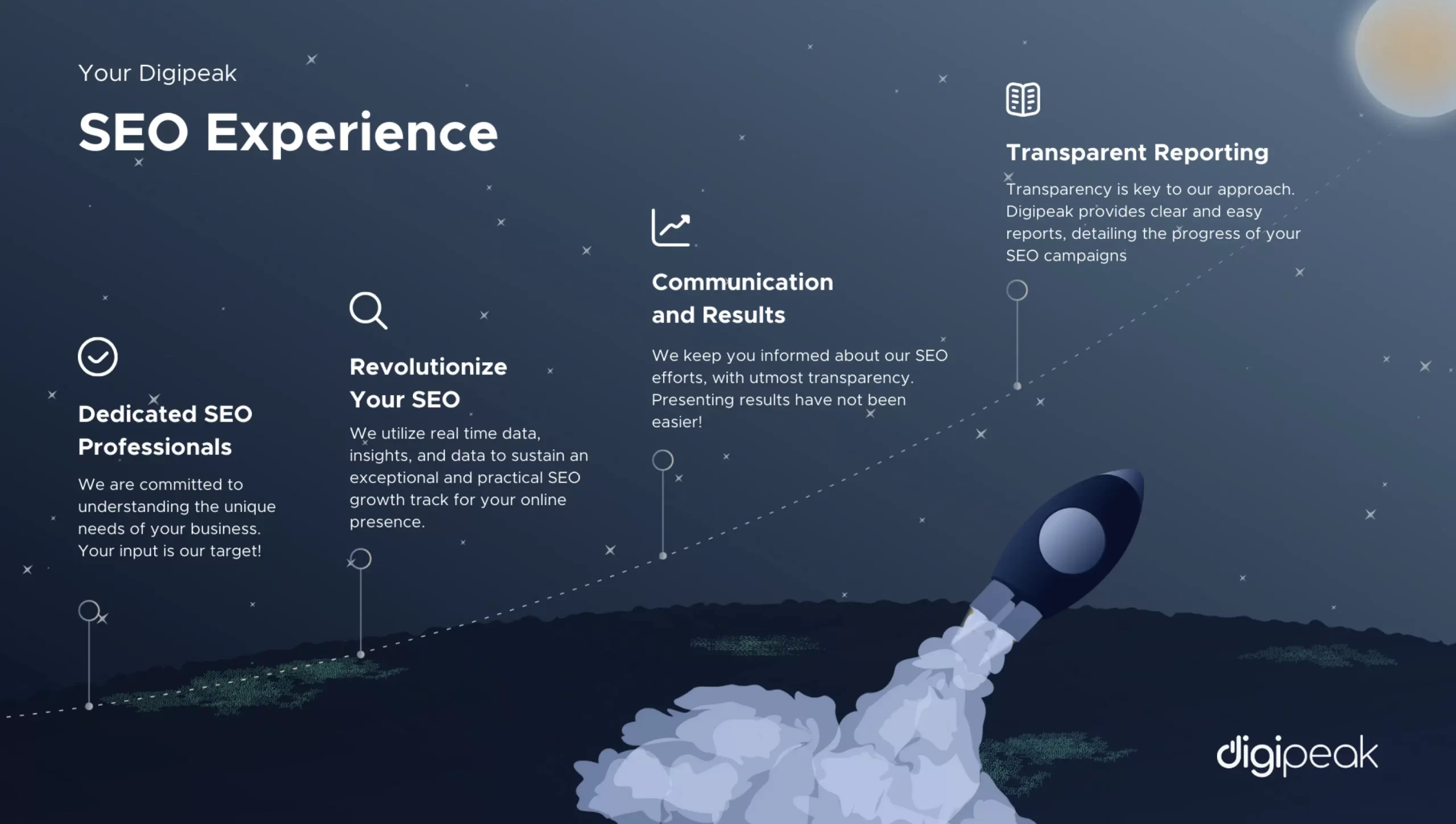
Next-Generation SEO Strategies
We work with data analysis and insights to ensure regular and continuous SEO growth for your online identity.

Experienced SEO Experts
We have a dedicated expert team committed to understanding the specific needs of your business. We shape our strategies based on your expectations.

Communication and Results
We inform you about our SEO work with complete honesty. Delivering powerful results has never been this easy!

Transparent Reporting
Transparency is our top working principle. At Digipeak, we prepare clear reports detailing your SEO campaigns.
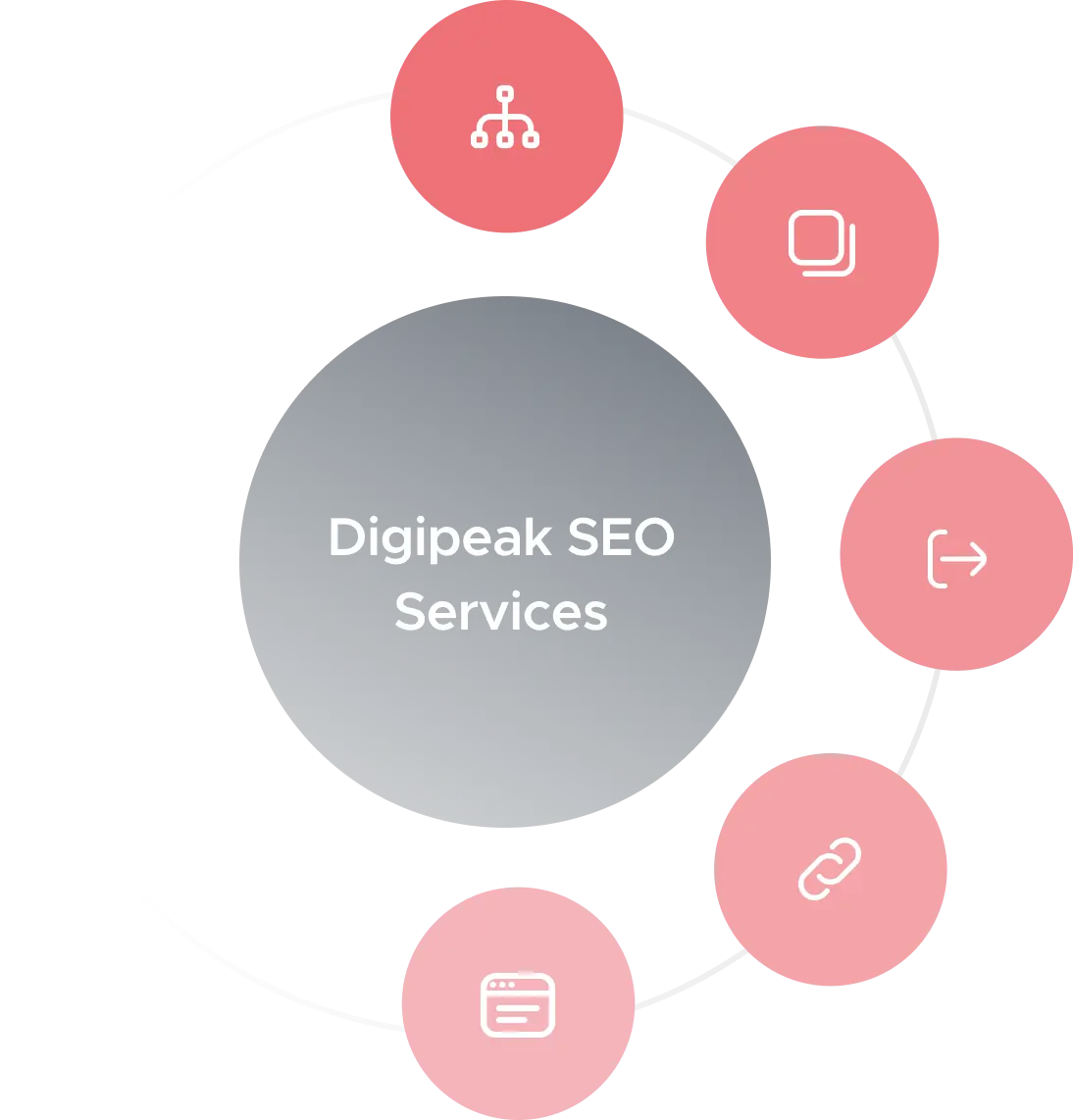
Technical SEO
Technical SEO, unlike other SEO branches, includes more software-related issues (JS, CSS, JSON, etc.). Technical SEO includes, but is not limited to: Structured Data Frameworks, Webpage Schemas, Site Speed Tests, Image Optimization, URL structure arrangements. and Crawl Budget Optimization Our technical SEO services are designed to enhance your website's visibility in search engine results pages (SERPs) and drive more organic traffic to your site.
On-Site SEO
On-site SEO basically covers issues related to your website’s meta titles and written content. To improve your website’s SEO performance, you can examine the headings on your site, check for problems such as duplicate content or titles, and optimize your content more easily with plugins such as: Rank Math or Yoast, especially on Content Management Systems (CMS) like WordPress.
Off-Page SEO and Backlinks
By definition, we call the links referring to your website from other sites "backlinks." As part of your off-page SEO efforts, you should obtain and reach out for backlinks from authoritative websites that have similar content to yours. Other elements of off-page SEO that are not necessarily SEO oriented include: Guest posting, Social Media Shares, Podcasting, Vlogging, etc.
Content SEO and Internal Linking
Content marketing is always one of the top priorities in the SEO process. Anyone can write content, but not everyone can write SEO compatible content. You should also pay attention to internal linking and headings hierarchy to make sure that all of the content on your site is set up in a way that is fit for SEO. In order for your content to rank, you need to make sure it is crawlable and indexable first.
Generative Engine Optimization (GEO)
We care about your website when it comes to GEO. It simply refers to the optimization of online content for better visibility and performance in search engines that use generative AI technologies. We optimize your website's content to rank for Google AIO, Chat GPT, Gemini, Perplexity, and many more AI engine search queries.
Digipeak
Technical SEO
Technical SEO, unlike other SEO branches, includes more software-related issues (JS, CSS, JSON, etc.). Technical SEO includes, but is not limited to: Structured Data Frameworks, Webpage Schemas, Site Speed Tests, Image Optimization, URL structure arrangements. and Crawl Budget Optimization Our technical SEO services are designed to enhance your website's visibility in search engine results pages (SERPs) and drive more organic traffic to your site.
On-Site SEO
On-site SEO basically covers issues related to your website’s meta titles and written content. To improve your website’s SEO performance, you can examine the headings on your site, check for problems such as duplicate content or titles, and optimize your content more easily with plugins such as: Rank Math or Yoast, especially on Content Management Systems (CMS) like WordPress.
Off-Page SEO and Backlinks
By definition, we call the links referring to your website from other sites "backlinks." As part of your off-page SEO efforts, you should obtain and reach out for backlinks from authoritative websites that have similar content to yours. Other elements of off-page SEO that are not necessarily SEO oriented include: Guest posting, Social Media Shares, Podcasting, Vlogging, etc.
Content SEO
Content marketing is always one of the top priorities in the SEO process. Anyone can write content, but not everyone can write SEO compatible content. You should also pay attention to link building and headings to make sure that all of the content on your site is set up in a way that is good for SEO. In order for your content to rank, you need to make sure it is crawlable first.
Internal Linking
We care about the layout of your website and guide users appropriately through internal linking. We create connections between your content to make it easier for both your visitors and search engines to find.
Ready to Get Started?
Grow your business and stand out in the competition with our innovative approaches and strategies!

Digipeak SEO Services
For your website, a successful SEO campaign involves the understanding of your business needs in addition to the mechanics of search engines. Our customized SEO approach encompasses a comprehensive list of services, including the following:

E-Commerce SEO
Digipeak's E-Commerce SEO service is designed to help you overcome the challenges you'll face while marketing your products online. We use effective SEO techniques, optimize your product pages, and improve the layout of your website.

Shopify SEO
The potential of your Shopify store is crucial to your success. With Digipeak’s Shopify SEO services, you can elevate that potential to its peak! We develop strategies tailored to how Shopify works, improve the user experience, and provide integration suitable for search engines.

Amazon SEO
Amazon product listings are highly competitive. At Digipeak, we guide you in product titles, descriptions, and keywords to help you stand out on Amazon.

Local SEO
Local SEO is the key to your success. With Digipeak’s Local SEO service , we optimize your online presence for location-based searches and ensure your business is discovered in your area.

International SEO
At Digipeak, we offer International SEO solutions for those seeking global success. Our strategy includes diversity to cater to multicultural markets, language optimization, and regional keywords.
How Are SEO Fees Determined?
SEO service prices change in direct proportion to the constantly evolving and changing conditions in the online and digital marketing sectors. The most important factor in determining the price of any SEO service you will receive is the type of work done on your website. What we pay attention to in our SEO proposals is the following:
 Domain Authority and Integrity
 Your Website’s Infrastructure
 Current position for certain keywords
We can schedule a meeting before the preliminary talks to discuss deadlines, frameworks, budget, vision, integration, etc.
Digipeak Experience

Professional SEO
Experts

Transparent Communication

High
Goals!

Young and Dynamic Team
What is Search Engine Optimization (SEO)?
When people search for online products and/or services using relevant keywords for your brand, they heavily depend on search engines to locate their needs. Search engines like Google, Bing, Yandex, etc. are the most famous search engines that rely on algorithms and indices to rank competing websites for users’ search queries.Search Engine Optimization (SEO) is the process of organically increasing the online presence and visibility of brands on search engines. The main aim is to turn organic traffic into revenue. With a solid SEO strategy customized for your website, Digipeak covers all technical, content, and backlink SEO stages; thus, enabling your website to rank high for the keywords you target.
How is SEO Done?
Before starting any SEO, you should know the brand you serve very well. You should compare and benchmark your brand against competitors in the relevant industry. Another important factor to consider is what kind of products or services you offer to your target users.It is very important to know which sector/domain/market your brand serves, such as Corporate, E-Commerce, B2B or B2C. After determining your sector, you can follow the following SEO processes for your brand:

Setting Goals

Keyword Research

Competitor Analysis

Content Briefs

Technical Studies

Analysis and Reporting
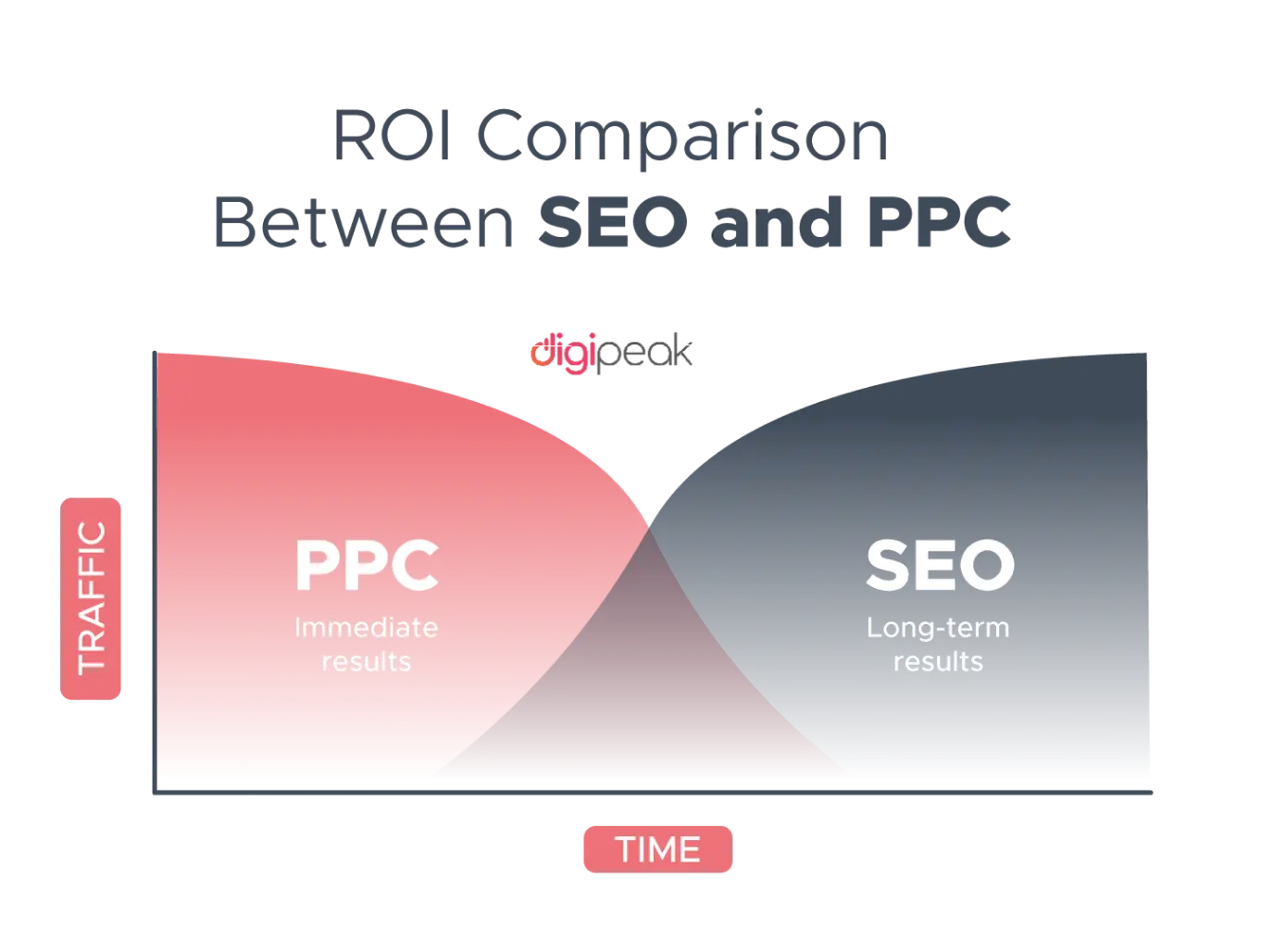
SEO Generates A Better ROI Than PPC
You need to improve your online presence for your business goals and the near-future rise of your business. PPC can be useful at the beginning of your ad campaign, but a true sustainable marketing strategy demands SEO in the long term. SEO is better for online searches, and it can help your online presence grow steadily over time. Since SEO deals with long-term promotion efforts and search engine rankings, your website needs to be designed for both users and search engine bots. The aim is to build a loyal base of target audiences in the long run. To sum up, your business goals and objectives are unique, and it is our duty to cater to those needs using a well-tailored, ROI-oriented SEO strategy. Utilize your marketing budget to insure the best possible ROI for your business.
Digipeak Our SEO Tools





Discover our SEO strategies for organic traffic!
We increase your website's engagement and visibility with search engine optimization strategies.
Why Digipeak's SEO Services
Are Better Than the Rest?
Digipeak simply offers result-oriented SEO services. We understand that marketing is diverse; the competitive advantages and requests vary greatly from one client to another, so we take the time and responsibility to create customized SEO strategies. We keep a close eye on how Google, Yandex, and other search engines work, make SEO changes in response to new updates, and come up with SEO solutions to all of your technical SEO problems. To increase the organic traffic of your business, we improve your brand’s SERP views/impressions with SEO strategies that will increase your website’s clickability, help you attract as many customers/leads as possible to your website, and build a loyal customer base.

What is SEO and SEM? What are the Differences?
SSEO and SEM are two concepts that are intertwined and support each other. Their main difference is the way they appear on SERPs (Search Engine Result Pages). SEM refers to paid advertisements on search engines such as Google, Yandex, Bing or Firefox, while SEO refers to the efforts and optimizations done on-site and off-site that will ensure organic growth and traffic increases on SERPs.
We keep a close eye on how Google, Yandex, and other search engines work, make SEO changes in response to new updates, and come up with SEO solutions to all of your technical SEO problems.
Digipeak simply offers result-oriented SEO services. We understand that marketing is diverse; the competitive advantages and requests vary greatly from one client to another, so we take the time and responsibility to create customized SEO strategies.
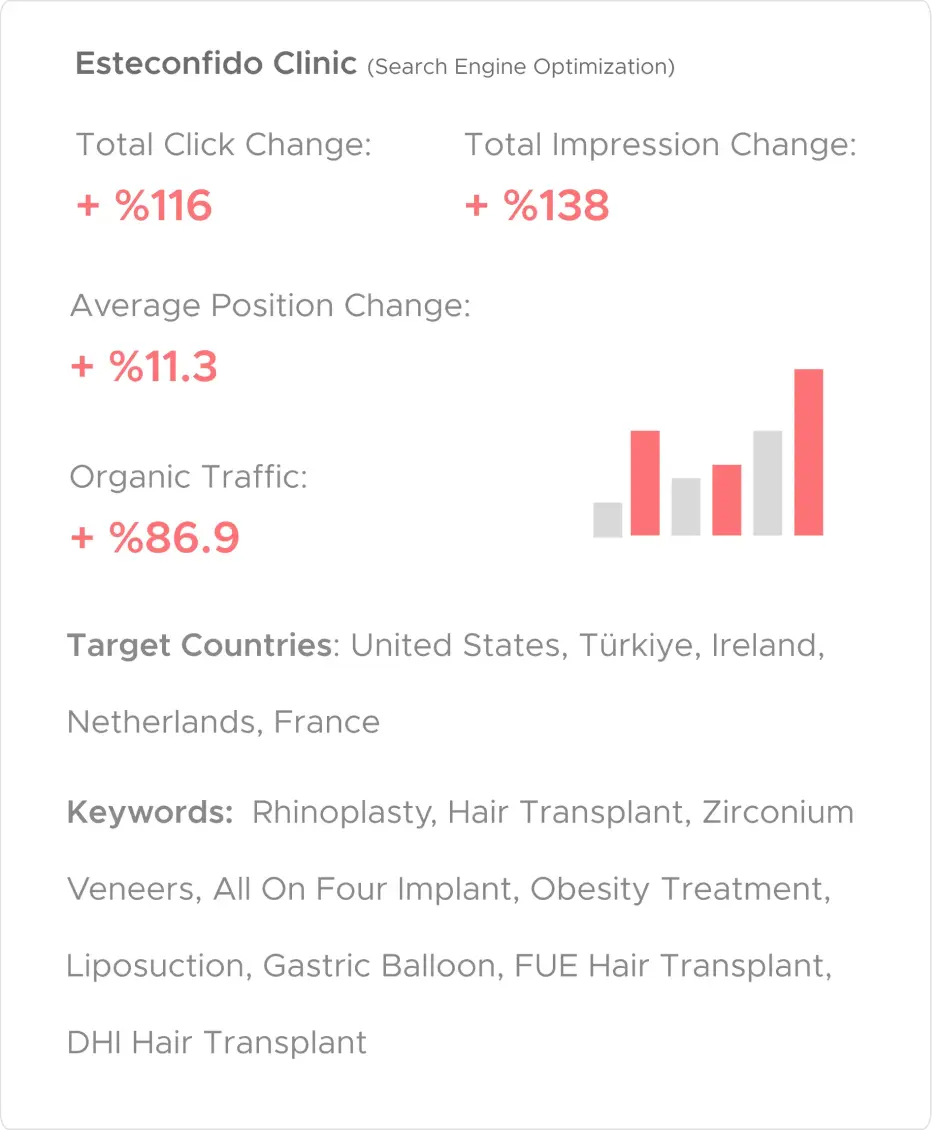
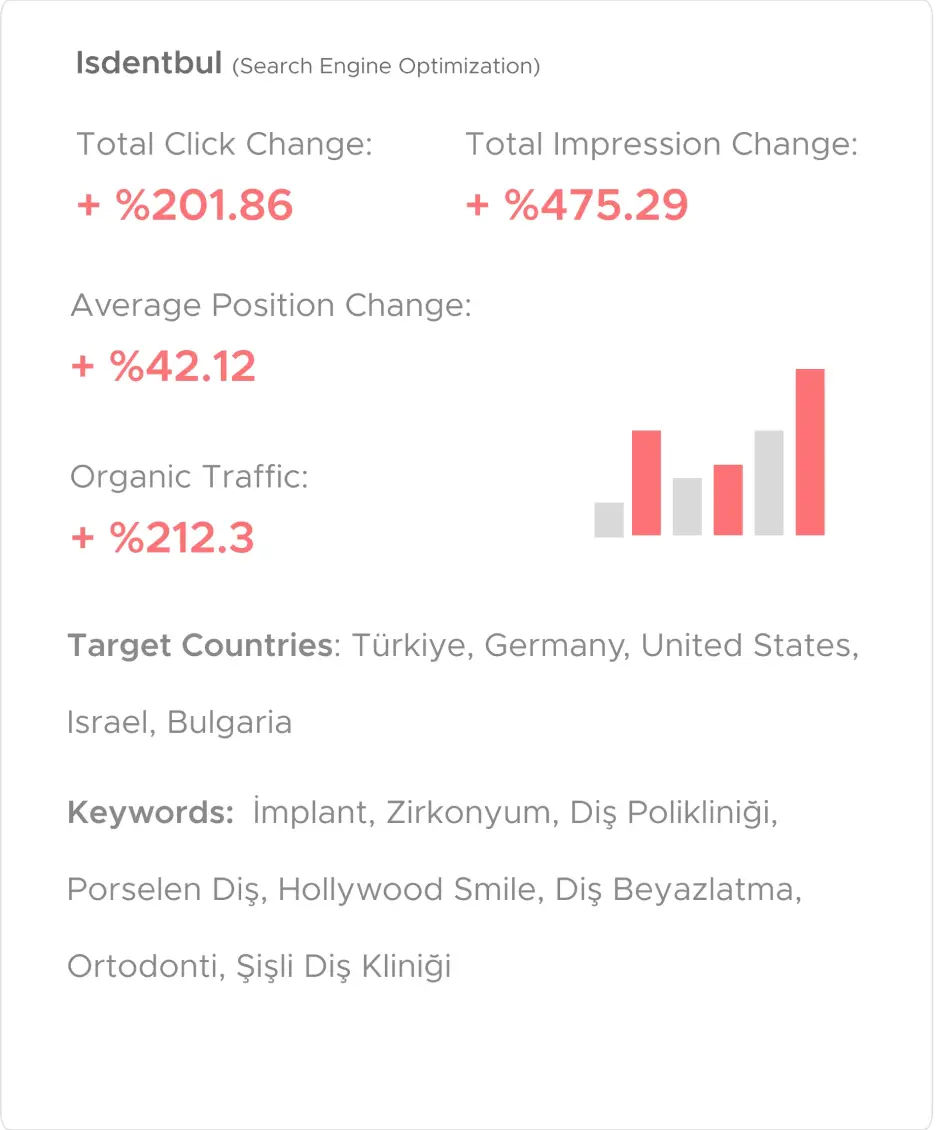
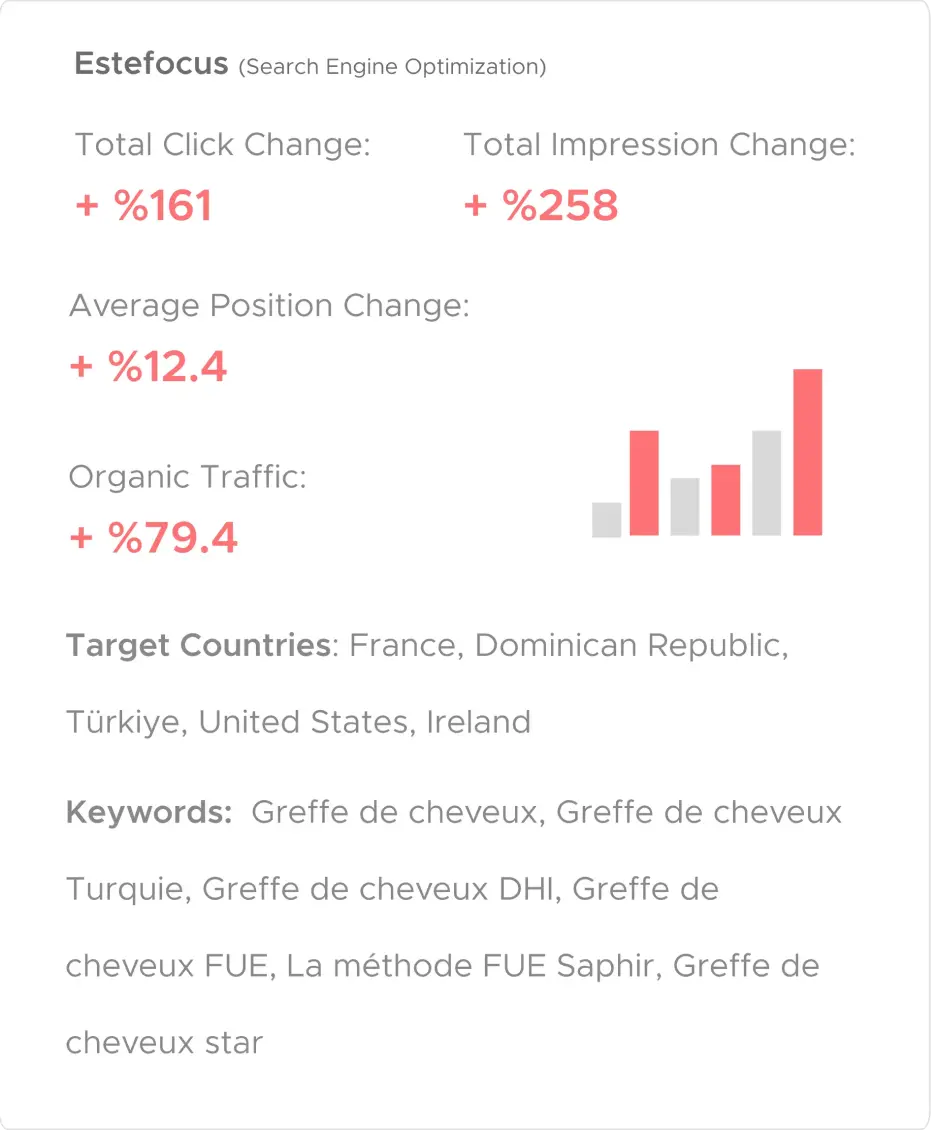
Digipeak SEO References
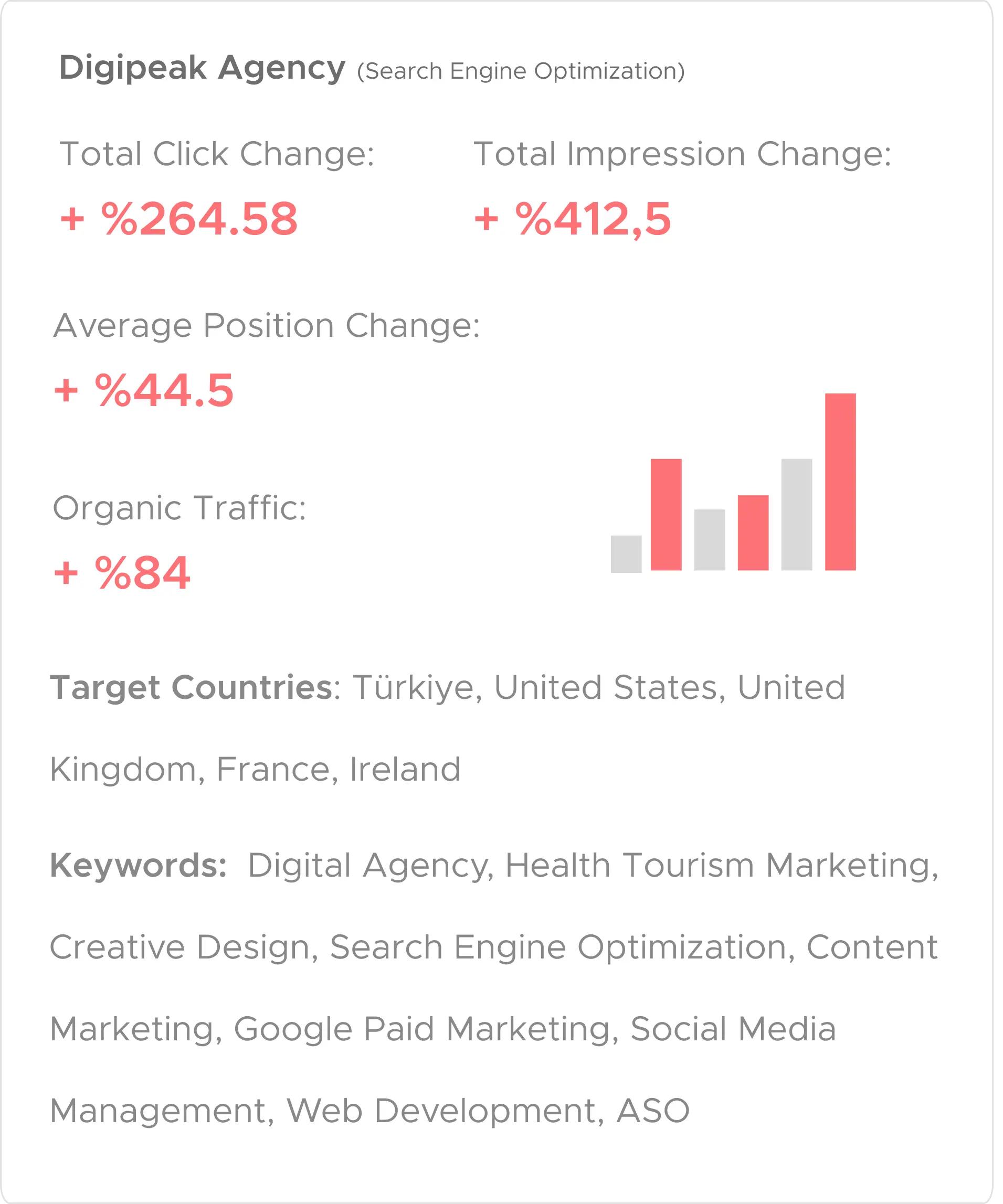
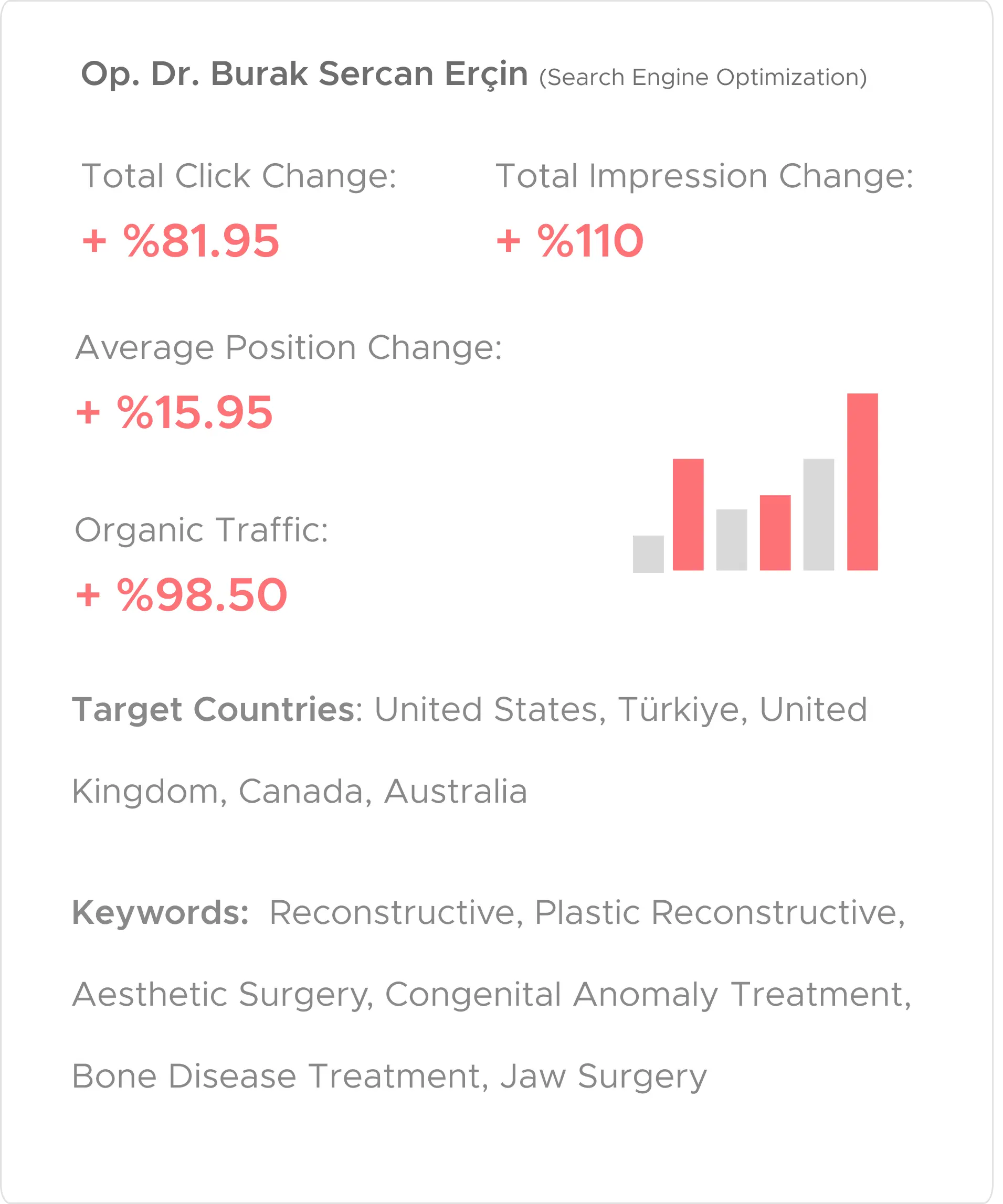
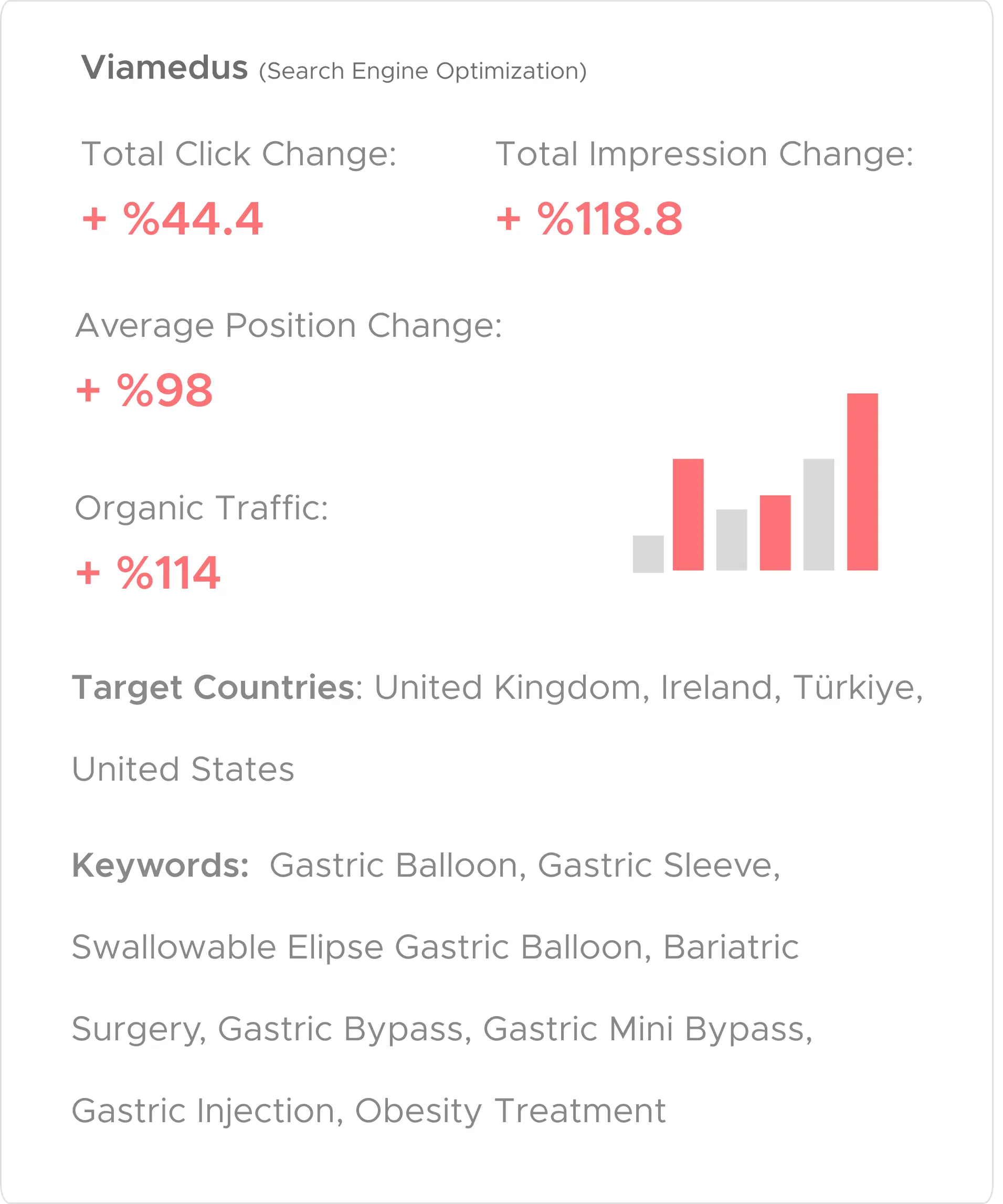
What are The Different Types of SEO Techniques ?
SEO processes are generally divided into four categories: technical, on-page, off-page and content. However, there are some recommended and non-recommended methods to optimize for search engines. These two main methods are:

White Hat SEO
White Hat SEO refers to optimization work done in accordance with Google and all other search engines' guidelines. Website owners who want to outperform their competitors in the long run try to have quality pages and content with White Hat SEO practices.

Black Hat SEO
Black Hat SEO refers to any attempt to manipulate the ranking algorithm by not following Google's and other search engines' optimization instructions. Although your black hat efforts may seem successful in the short term, it will negatively affect your website traffic and authority in the long term. Anyone indulging in Black Hat SEO is prone to penalties and bans from SERPs as well.
FAQ
Blog
Plan Your Online
Meeting Now!
Digipeak is a digital marketing agency offering 360° services to help your business grow in the digital world. We effectively apply our data and performance-driven strategy across various areas, including PPC, SEO, content marketing, branding, and social media.


