

Main Reasons Why AI Search Won’t Change Core Algorithms & Spam Policies
The digital marketing industry is always moving. This constant motion demands adaptability and a deep …


 ★★★★★ 5.0 · 100+ reviews








Table of Contents
MEET OUR TEAM!
Optimizing websites for multiple languages requires a nuanced approach to effectively target the diverse audiences within a region or continent rich in language and culture.
In today’s globally connected digital landscape, having a strong online presence is crucial for businesses looking to expand their reach and enter new markets. For companies operating in Europe, a continent renowned for its linguistic diversity, optimizing your website for multiple languages is not just a good idea; it’s a strategic necessity.
Imagine you run a small coffee shop in Turkey. Your delightful coffees have garnered a loyal following in your country, and now you have aspirations to introduce your coffees to the rest of Europe. To accomplish this successfully, it’s vital to ensure that your online store (e-commerce) is not only visually appealing but also accessible and enticing to potential customers from various European countries. In a region that takes pride in its unique cultures, languages, and consumer preferences, online businesses face numerous challenges and opportunities. If you’re unsure about which SEO strategies to implement for your business, you should consider working with a reputable digital marketing company to increase the traffic and revenue of your multilingual website.
Whether you’re a multinational corporation or a small e-commerce venture, understanding how to navigate the complexities of multilingual websites in Europe could be the key to uncovering untapped opportunities in the European market.
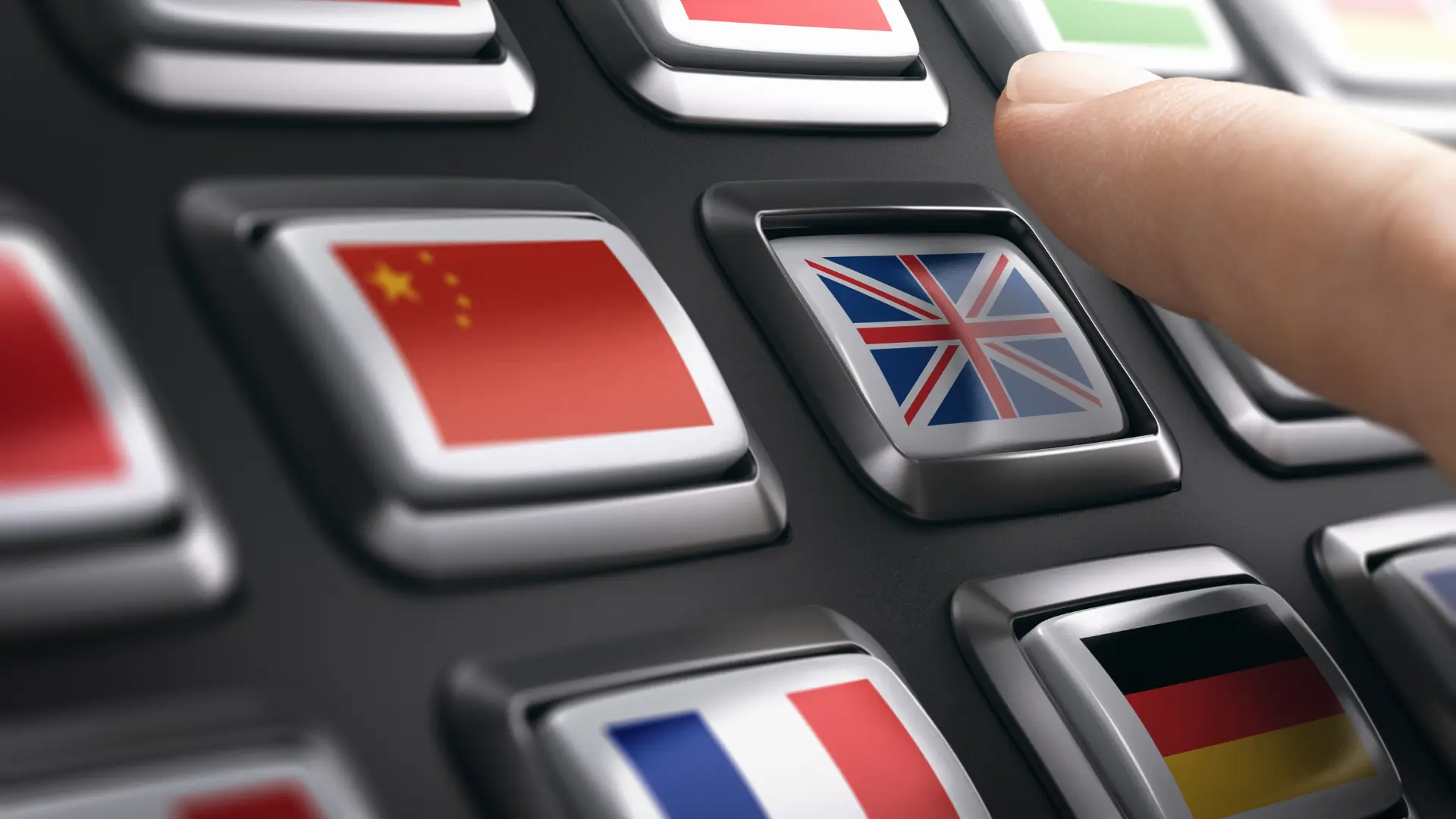

Extensive keyword research forms the foundation of every successful SEO strategy. When dealing with multilingual websites, the complexity multiplies. Begin by identifying keywords relevant to your products or services in each target language. Use tools like Google Keyword Planner, SEMrush, or Ahrefs to discover low-competition, high-search-volume keywords. Focus on long-tail keywords to capture specific search intent.
Hreflang tags are HTML tags that specify a web page’s language and regional targeting. They guide search engines in displaying the correct version of your web page based on users’ locations and language preferences. To ensure search engines understand the relationship between different language versions of your content, use hreflang tags in the HTML head section of each web page. This helps prevent content duplication issues and improves user experience.
The URL structure of your website significantly impacts SEO performance. For multilingual websites, use easily navigable URL structures. An advisable approach is to use subdirectories (e.g., yourwebsite.com/en/ for English, yourwebsite.com/fr/ for French) instead of subdomains or separate domains. Keeping all language versions under a single domain strengthens SEO authority.
Take Advantage of Automation with Artificial Intelligence!
How can you use your time more efficiently? Artificial intelligence saves you time by automating repetitive tasks. Learn how you can leverage AI to accelerate your business processes.
Creating high-quality, unique content for each language version of your website is crucial. Avoid automatic translation tools, as they often produce inaccurate or awkward translations. Instead, invest in professional human translation services or craft customized content tailored to the linguistic and cultural nuances of your target audience. Google’s algorithm rewards websites with valuable and relevant content.
Is Your E-Commerce Website Raking in Traffic but No Leads/Sales?
Get a Free Conversion Analysis Audit now!
Let's evaluate together how you can capture the attention of your target audience more effectively. The goal is to increase conversion rates ! Fill out the form now and get your free analysis report!
Customize on-page SEO elements for each language version. This includes optimizing meta titles, meta descriptions, and image alt text in the target language. Conduct thorough research to understand how users in different regions search for products or services similar to yours. This will help you create content that resonates with local audiences and enhances your website’s visibility.
Gaining backlinks from reputable websites in your target regions can significantly boost your website’s authority and visibility. Collaborate with local influencers, industry publications, and relevant websites to acquire high-quality backlinks. Local backlinks signal to search engines that your website is a trustworthy source of information for users in that region.
Since a significant portion of users access websites via mobile devices, ensure that your website is responsive and mobile-friendly. Google’s mobile-first indexing means that your mobile version is prioritized in indexing and ranking. A seamless mobile experience not only improves user interaction but also positively impacts search engine rankings.
SEO is an ongoing process. Continuously monitor your website’s performance using tools like Google Analytics and Google Search Console. Track keyword rankings, assess organic traffic trends, and analyze user behavior to identify improvement opportunities. Pay attention to user feedback from different regions and adjust your strategies accordingly.
Here are some examples of CTAs (Call to Action), Contact Forms, Banners, etc. that we use on our Turkish language websites:
Contact Form in Turkish

Product Banner / CTA in Turkish

Blog Covers in Turkish

Optimizing multilingual websites requires up-to-date knowledge and expertise. Keyword research, hreflang tags, and personalized content are foundational elements for success. User-friendly URLs, on-page and off-page SEO, and user experience enhancements are crucial for improving visibility. Data-driven insights help adapt to ever-changing algorithms and user behavior.
Achieving dominance among local competitors with a multilingual website necessitates a combination of technical and cultural (local) empathy and approaches. By integrating SEO tactics with various understandings, your website can thrive in different languages and leave a lasting impression on European users.

Join the
Digipeak Newsletter!
Stay up to date with the latest digital marketing insights, trends, and updates. Subscribe today!
Related Articles
The digital marketing industry is always moving. This constant motion demands adaptability and a deep …
Welcome to the future of data-driven marketing. We are a 360° Digital Marketing Agency. We …
An in-depth review of top-ranking articles in the USA and the UK reveals a news-oriented …
The digital marketing world moves incredibly fast. Search engines constantly update their algorithms, crawling methods, …


